
Cataracts are one of the most common eye conditions affecting adults as they age, quietly developing over time and gradually diminishing vision. Although cataracts progress slowly, their impact on daily life can become significant, affecting everything from reading and driving to recognizing faces and navigating familiar environments. But thanks to advancements in modern ophthalmology, cataract treatment has evolved into one of the safest, most effective, and most transformative procedures available today. Ophthalmologists, with their extensive medical and surgical training, specialize in diagnosing and treating cataracts using state-of-the-art technology that restores clarity, enhances quality of life, and helps patients regain independence. For individuals experiencing cloudy, blurry, or dim vision, comprehensive cataract care offers a path to visual rejuvenation that goes far beyond simply removing a cloudy lens—it provides a customized, life-changing improvement in overall vision.
Cataracts occur when the natural lens of the eye becomes cloudy due to age-related changes in the proteins within the lens. This process is gradual, and many patients do not realize they have cataracts until their vision becomes noticeably impaired. Early symptoms may include dulled colors, increased glare, difficulty seeing at night, or a fuzzy quality to vision that glasses cannot correct. Over time, the cloudiness progresses to the point where everyday tasks become challenging or unsafe. While aging is the most common cause of cataracts, factors such as diabetes, prolonged sun exposure, smoking, eye injuries, or certain medications can accelerate their development. Regardless of the cause, cataracts cannot be reversed with medication or lifestyle changes; surgical treatment is the only effective way to restore clear vision.
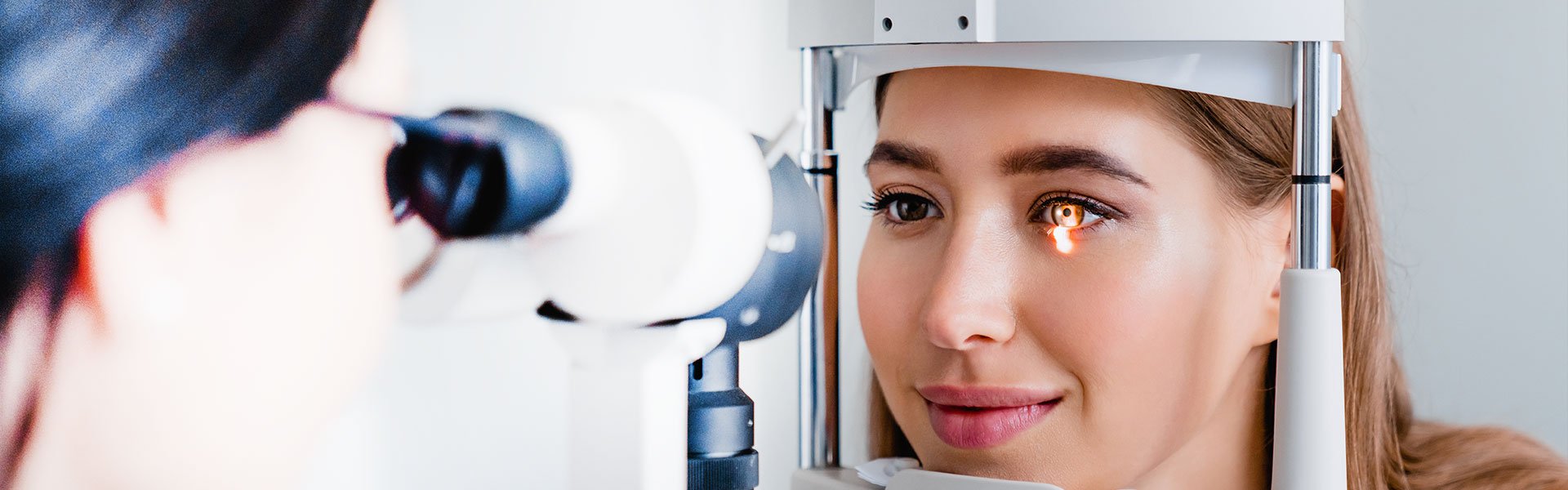
The journey to cataract treatment begins with a comprehensive eye examination performed by an ophthalmologist. This evaluation goes far beyond reading an eye chart. It includes assessing the clarity of the lens, measuring visual acuity, evaluating overall eye health, and determining how the cataract is affecting daily functioning. Ophthalmologists use specialized diagnostic tools to understand the severity of the cataract, the shape and size of the eye, and the health of the retina and optic nerve. These details are essential because they help determine not only the need for surgery but also the type of intraocular lens (IOL) that will best meet the patient’s visual goals.
Modern cataract surgery is a highly refined procedure based on decades of scientific advancement. It is usually performed using a minimally invasive technique called phacoemulsification, wherein the ophthalmologist makes a tiny incision at the edge of the cornea, uses ultrasonic energy to gently break up the cloudy lens, and removes the fragments through the same small opening. Once the natural lens is removed, the surgeon implants a clear, artificial lens designed to restore focusing power. This new lens, known as an intraocular lens or IOL, remains in the eye permanently and requires no maintenance. The tiny incision typically self-seals without the need for stitches, allowing for fast healing and minimal discomfort. Most patients experience improved vision almost immediately following the procedure, with full stabilization occurring over the next several days or weeks.
One of the most exciting advancements in cataract care is the availability of premium intraocular lens options. In the past, cataract surgery restored clarity but rarely improved vision beyond basic distance correction, often requiring patients to use glasses for many tasks. Today, modern IOLs allow patients to customize their post-surgery vision in ways that were impossible decades ago. Depending on the patient’s needs, ophthalmologists may recommend monofocal, multifocal, extended-depth-of-focus, or toric lenses. Monofocal lenses provide excellent clarity at a single distance, typically optimized for distance vision. Multifocal and extended-depth-of-focus lenses offer a broader range of visual functionality, allowing patients to see at multiple distances—near, intermediate, and far. Toric lenses are designed to correct astigmatism, providing sharper vision and reducing dependence on glasses. The choice of lens type is based on lifestyle, occupational needs, and personal preferences. For many patients, these premium lens options result in visual freedom they have not experienced in decades.
Another significant advancement in cataract surgery is the introduction of femtosecond laser-assisted cataract surgery. This technology allows ophthalmologists to perform some of the most delicate steps of the procedure with enhanced precision. The laser can create perfectly shaped incisions, soften the cataract for easier removal, and correct small amounts of astigmatism—all of which contribute to improved accuracy and outcomes. While traditional cataract surgery is already highly effective, laser-assisted techniques offer an extra level of customization that ensures the procedure is tailored to the unique anatomy of each eye.
Recovery from cataract surgery is typically quick and comfortable. Most patients go home the same day and notice brighter, clearer vision within hours or days. Ophthalmologists provide detailed postoperative instructions, including eye drops to prevent inflammation and infection, as well as guidance on activity restrictions to protect the healing eye. Follow-up visits are essential to monitor healing, confirm that the new lens is functioning properly, and assess whether vision correction has met the patient’s expectations. Many patients describe their recovery as surprisingly easy, and the improvement in vision often feels dramatic and life-changing.
Beyond restoring clarity, cataract surgery offers patients renewed independence and emotional well-being. People who once struggled with everyday tasks due to cloudy vision often find themselves reengaging in activities they had given up, such as reading, driving at night, cooking, crafting, or spending time outdoors. The ability to see colors more vividly, appreciate details more clearly, and navigate their environment with confidence significantly enhances their overall quality of life. For individuals who have avoided social interactions because of visual difficulties, the restored clarity can bring a profound sense of freedom and comfort.
Comprehensive cataract care also includes addressing other eye conditions that may accompany or complicate cataract development. Many patients have preexisting conditions such as glaucoma, diabetes-related eye disease, age-related macular degeneration, or dry eye syndrome. An ophthalmologist’s expertise allows these conditions to be identified, monitored, and managed as part of the overall treatment plan. In some cases, ophthalmologists can combine cataract surgery with other procedures, such as minimally invasive glaucoma surgery (MIGS), to address multiple issues during a single visit. This ensures that the patient receives holistic care that considers the long-term health of the entire visual system.
Preventive care remains an important aspect of ongoing eye health after cataract treatment. Patients are encouraged to wear UV-protective eyewear, manage systemic conditions such as diabetes, and attend regular eye examinations to ensure continued eye health. Although cataracts cannot recur in the artificial lens, other age-related changes can still affect vision, making consistent care essential.
Cataract surgery has become one of the most successful medical procedures in the world, with millions of people experiencing life-changing improvements each year. What sets ophthalmologists apart is their extensive training in diagnosing and treating complex eye conditions and their ability to provide personalized care that prioritizes both safety and visual excellence. The combination of advanced technology, surgical precision, and individualized treatment planning allows ophthalmologists to achieve outstanding results that restore not just vision, but quality of life.
For individuals struggling with cloudy vision, fading colors, or difficulty seeing at night, cataract care offers a powerful solution—and choosing an experienced ophthalmologist ensures the best possible outcome. With today’s modern advancements in diagnostic imaging, lens technology, and surgical technique, patients can look forward to clearer, brighter, and more comfortable vision than they may have thought possible. Cataract care is not simply a procedure; it is a transformation that gives patients the clarity they need to fully experience the world around them once again.