
Many people think of missing teeth primarily as a cosmetic concern, focusing on the visible gap left behind when a tooth is lost. While appearance is certainly one important factor, missing teeth affect far more than the look of a smile. Tooth loss can influence chewing ability, jaw health, speech, facial structure, and even the long-term stability of surrounding teeth. Prosthodontists specialize in restoring missing or damaged teeth and understand how important it is to rebuild both function and appearance after tooth loss occurs.
The mouth functions as a carefully balanced system in which every tooth plays a role. Teeth work together to distribute pressure evenly while chewing and speaking. When one or more teeth are missing, this balance begins to change. Neighboring teeth may gradually shift into the empty space, affecting alignment and altering the bite. These changes often happen slowly, making them difficult for patients to notice at first.
One of the most immediate effects of missing teeth is reduced chewing efficiency. Different teeth are designed to handle different types of food, and gaps in the smile can make it more difficult to chew comfortably or effectively. Some patients begin avoiding certain foods altogether because chewing becomes uncomfortable or inefficient. Over time, these limitations may influence nutrition and overall health.
Speech can also be affected by missing teeth, particularly when front teeth are involved. The tongue and lips rely on proper tooth positioning to form certain sounds clearly. Tooth loss may alter pronunciation or create difficulty with speech patterns that previously felt natural. Even subtle changes can affect confidence during conversations and social interactions.
Another major consequence of missing teeth involves the jawbone. Natural tooth roots stimulate the surrounding bone whenever a person chews or bites down. This stimulation helps maintain bone density and structure over time. When a tooth is lost, that stimulation decreases, and the bone in the area may gradually shrink. This process, known as bone resorption, can continue over time and affect both oral function and facial appearance.
Bone loss associated with missing teeth may eventually change the contours of the face. Patients with multiple missing teeth sometimes notice a more sunken or aged appearance around the mouth and jawline. Restoring missing teeth helps preserve the natural support structures that contribute to facial balance and appearance.
The remaining teeth may also experience increased stress after tooth loss. When fewer teeth are available to handle chewing forces, the remaining teeth often absorb more pressure than they were designed for. This added strain may contribute to wear, fractures, or additional dental problems over time.
Prosthodontists specialize in designing solutions that restore missing teeth while improving overall oral function. Their training focuses on rebuilding smiles in ways that support comfort, balance, and long-term stability. Rather than simply replacing a tooth cosmetically, prosthodontic treatment aims to restore the harmony of the entire oral system.
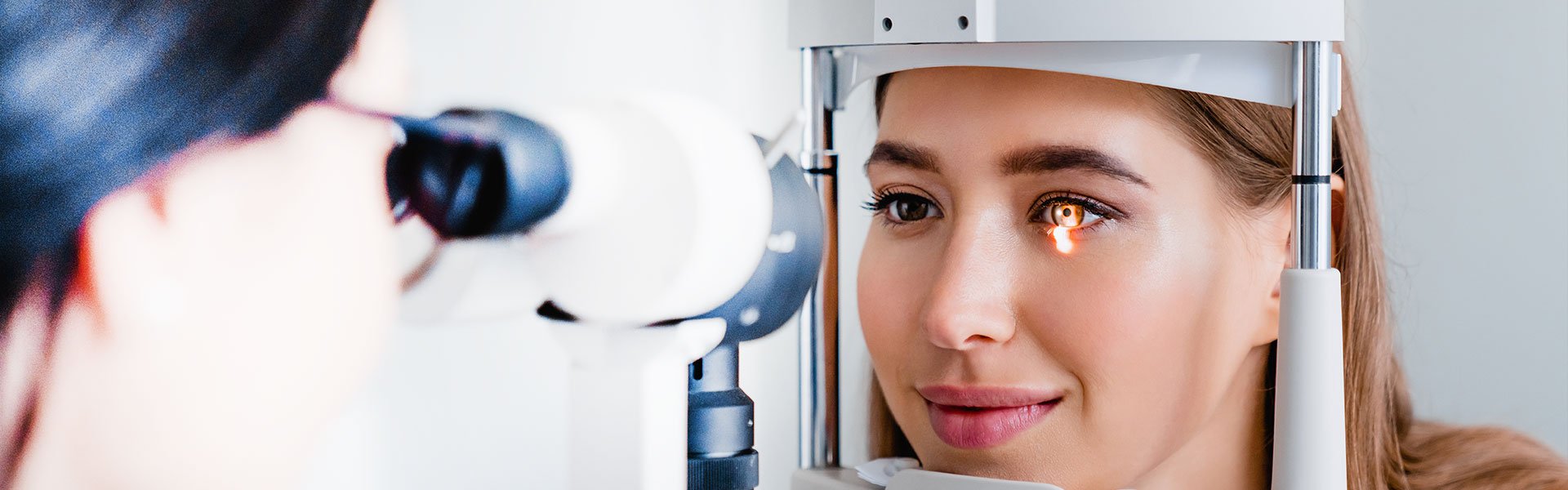
Vision changes are something many people experience at different stages of life, and because some changes happen gradually, they are often dismissed as a normal part of aging or everyday stress. However, even subtle changes in vision can sometimes indicate underlying eye conditions that require professional evaluation. Blurriness, flashes of light, increased sensitivity, trouble focusing, or difficulty seeing at night are not symptoms patients should simply learn to live with. Ophthalmologists specialize in diagnosing and treating both common and complex eye conditions, helping patients protect one of their most important senses.
The eyes are highly intricate structures that rely on multiple systems working together properly. The cornea, lens, retina, optic nerve, and surrounding muscles all play specific roles in creating clear vision. When even one part of this system becomes affected, visual symptoms may begin to appear. Because vision is something people depend on constantly throughout the day, even minor changes can significantly affect quality of life.
One of the most common reasons patients notice vision changes is refractive error progression. Nearsightedness, farsightedness, and astigmatism may gradually worsen over time, especially during certain life stages. Patients may begin squinting more often, struggling to read distant signs, or experiencing eye fatigue during close work. While updated glasses or contact lenses often improve these issues, regular evaluation remains important because changes may sometimes signal additional concerns beyond routine prescription adjustments.
Difficulty seeing clearly at night is another common symptom patients experience. Night vision problems may involve increased glare from headlights, halos around lights, or reduced clarity in dim environments. These symptoms can affect driving confidence and overall safety. In some cases, they may be related to normal aging changes within the eye, while in others they may indicate conditions requiring closer monitoring.
Floaters and flashes are additional vision changes that should never be ignored. Floaters often appear as small spots, threads, or cobweb-like shapes drifting across vision. Flashes may appear as brief bursts of light, particularly in darker environments. While these symptoms are sometimes harmless age-related changes, sudden increases in floaters or flashes may indicate retinal problems requiring immediate attention.
Peripheral vision changes are another important warning sign. Some eye conditions affect side vision gradually, making it difficult for patients to notice changes early on. Patients may begin bumping into objects, struggling in crowded spaces, or noticing difficulty detecting movement around them. Because these symptoms can develop slowly, regular comprehensive eye exams are critical for identifying problems before significant vision loss occurs.
Dryness and irritation may also contribute to fluctuating vision quality. The surface of the eye depends on a healthy tear film to remain smooth and clear. When the eyes become dry, patients may notice blurry vision, burning sensations, redness, or discomfort during reading and screen use. Environmental factors, aging, medications, and prolonged digital device use can all contribute to dry eye symptoms.
Headaches and eye strain may sometimes originate from visual issues as well. When the eyes work harder to focus due to prescription changes or alignment problems, patients may develop tension around the eyes, forehead, or temples. These symptoms often become more noticeable during prolonged reading or computer use.
One of the challenges with vision changes is that many eye conditions develop silently in their early stages. Some diseases affecting the retina or optic nerve may progress gradually without causing pain or obvious symptoms initially. This is why ophthalmologists emphasize the importance of routine eye examinations even when patients believe their vision feels stable.
Comprehensive eye exams involve far more than simply checking visual clarity. Ophthalmologists evaluate the health of internal eye structures, assess pressure within the eye, examine the retina and optic nerve, and identify subtle signs of disease that may not yet affect daily vision. Early detection significantly improves the ability to manage many eye conditions effectively.
Advances in ophthalmology have greatly improved the diagnosis and treatment of eye conditions. Modern imaging technologies allow ophthalmologists to examine the retina, optic nerve, and surrounding structures in remarkable detail. These tools help identify problems earlier and guide more precise treatment planning.
Treatment options vary depending on the underlying cause of visual changes. Some patients may simply require updated corrective lenses, while others may benefit from medications, procedures, or surgical intervention to protect long-term vision. The key is identifying issues early before irreversible damage occurs.
Lifestyle habits also play an important role in protecting vision over time. Taking breaks during prolonged screen use, wearing protective eyewear during sports or hazardous activities, maintaining healthy blood pressure and blood sugar levels, and attending regular eye exams all support long-term eye health.
Nutrition and hydration can also influence visual health. The eyes rely on healthy circulation and proper nutrient support to function efficiently. Maintaining overall wellness often contributes positively to eye health as well.
Patients sometimes delay eye examinations because they assume mild vision changes are not serious enough to address. However, waiting too long may allow manageable issues to progress into more advanced conditions. Prompt evaluation helps identify the cause of symptoms early and often leads to better outcomes.
Vision affects nearly every aspect of daily life, from reading and driving to working, exercising, and social interaction. Protecting eye health means protecting independence, safety, and overall quality of life. Even subtle changes deserve attention because the earlier problems are identified, the more effectively they can often be managed.
Ophthalmologists play a critical role in preserving vision by diagnosing conditions early, providing specialized treatment, and helping patients understand how to care for their eyes throughout life. Their expertise extends beyond correcting blurry vision—they focus on maintaining the long-term health of the entire visual system.
Changes in vision should never simply be ignored or accepted without evaluation. The eyes often provide important signals about overall health and underlying conditions that may require attention. Through regular monitoring, preventive care, and prompt treatment when needed, patients can take proactive steps to preserve clear, comfortable vision for years to come.
Several treatment options are available depending on the patient’s needs and oral health condition. Dental implants are one of the most advanced solutions for replacing missing teeth because they mimic the structure of natural tooth roots. Implants help preserve bone, provide strong support, and restore chewing efficiency while blending naturally with surrounding teeth.
Bridges are another common restorative option. These restorations use neighboring teeth for support while replacing the missing tooth in between. Bridges help restore appearance and function while preventing nearby teeth from shifting.
Dentures may also be recommended for patients missing multiple teeth or full arches. Modern dentures are designed with improved comfort, fit, and aesthetics compared to older generations of removable appliances. Prosthodontists carefully customize these restorations to improve both stability and natural appearance.
One of the most important aspects of prosthodontic care is treatment planning. Replacing missing teeth involves more than simply filling a gap—it requires evaluating the bite, jaw alignment, gum health, bone structure, and surrounding teeth. Prosthodontists take a comprehensive approach to ensure restorations function properly and support long-term oral health.
Patients often underestimate how much missing teeth can affect their daily lives until treatment restores normal function. Being able to chew comfortably, speak clearly, and smile confidently again can significantly improve quality of life. Many patients report increased confidence and comfort after completing restorative treatment.
Timing also matters when replacing missing teeth. The longer a space remains untreated, the more likely surrounding teeth and bone structures are to shift or deteriorate. Early intervention often allows for simpler treatment and helps preserve existing oral structures more effectively.
Preventive dental care remains important even after tooth replacement. Maintaining healthy gums, supporting bone, and surrounding teeth helps protect restorative work and improve long-term outcomes. Regular dental visits allow prosthodontists to monitor restorations and identify small concerns before they become larger issues.
Modern prosthodontics combines advanced technology, detailed planning, and highly customized treatment to restore smiles in ways that are both functional and natural-looking. The goal is not only to improve appearance but also to rebuild stability, comfort, and confidence.
Missing teeth affect far more than aesthetics. They influence the way the mouth functions as a whole system and can gradually impact oral health, facial structure, and quality of life. Understanding these effects helps patients recognize the importance of seeking restorative care sooner rather than later.
Prosthodontists provide specialized expertise for rebuilding smiles and restoring balance after tooth loss. Through personalized treatment and comprehensive care, they help patients regain the comfort, function, and confidence that healthy, complete smiles provide.